
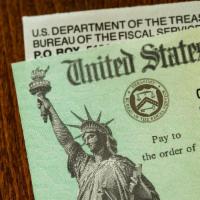
IRS Moving Toward Electronic Tax Refunds
The Internal Revenue Service (IRS) is in the process of moving away from paper refund checks and toward electronic payments. This change is part of a federal effort to modernize how payments are sent to and from the government and to reduce delays, fraud, and administrative costs.
Paper Refund Checks Being Phased Out
As of September 30, 2025, the IRS began phasing out paper refund checks for individual taxpayers, as permitted by law. This change affects 2025 tax returns, which will be filed during the 2026 tax season.
For most taxpayers, direct deposit will become the default method for receiving a federal tax refund. When filing a return, taxpayers will be asked to provide valid bank routing and account numbers so refunds can be deposited electronically.
What Happens If Direct Deposit Information Is Not Provided?
If a tax return is filed without direct deposit information, the IRS will still process the return. However, the taxpayer will receive a letter requesting banking information or explaining how to request an exception.
Taxpayers will have 30 days to respond. If there is no response, the IRS will issue a paper check after a six-week waiting period. This delay is intended to prevent interest from accruing on the refund and is considered a temporary transition measure, not a long-term option.
Limited Exceptions Are Being Developed
The IRS is developing limited exceptions for situations where electronic payments are not feasible. While final procedures have not yet been released, exceptions are expected for taxpayers who:
- Do not have access to a bank account
- Live outside the United States
- Have religious objections to electronic financial systems
Additional groups under consideration include elderly taxpayers, individuals with disabilities, victims of domestic violence, and those living in remote or disaster-affected areas. More detailed guidance on how to request an exception is expected before the 2026 filing season.
What Taxpayers Should Do Now
As the IRS continues this transition, taxpayers should consider the following steps:
- Confirm access to a bank account or eligible electronic payment option
- Provide accurate direct deposit information when filing tax returns
- Watch for IRS updates regarding exception procedures
Providing direct deposit information remains the fastest and most reliable way to receive a refund.
Sources
- IRS News Release IR-2025-94
- U.S. Department of the Treasury: Treasury Announces Federal Government Will Phase Out Paper Checks
- IRS: Modernizing Payments to and From America’s Bank Account
- Taxpayer Advocate Service: Tips on Electronic Payment Options Available to Taxpayers
- Taxpayer Advocate Service Blog: As the IRS Phases Out Paper Checks, Vulnerable Taxpayers Must Not Be Left Behind